
Products
A curated selection of our premium wellness products

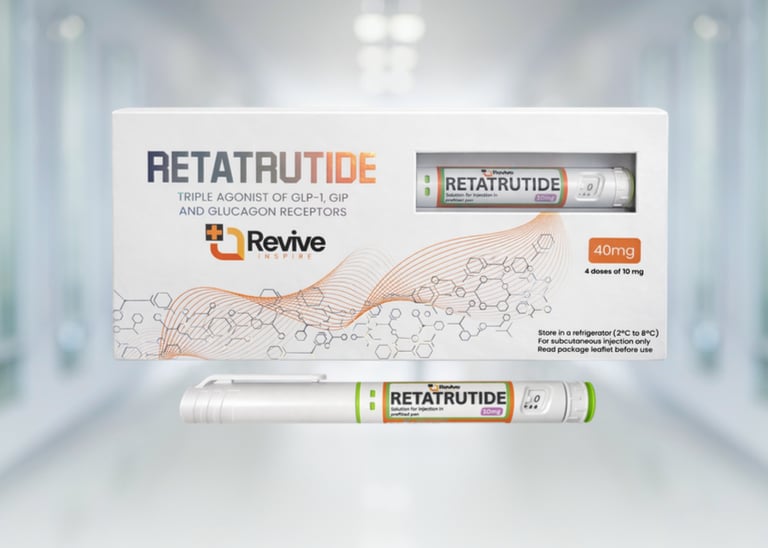

Retatrutide — Advanced Metabolic Research Peptide
Retatrutide is a next-generation metabolic research peptide that has gained attention for its exceptional fat-loss results reported in studies. It is designed to support significant reductions in body fat while helping preserve lean mass, making it one of the most advanced compounds currently being explored for metabolic performance.
What Retatrutide Does
Retatrutide is studied for its ability to:
• Promote substantial fat loss Improve metabolic efficiency
• Support appetite control
• Enhance energy balance
In research settings, Retatrutide has demonstrated greater fat-loss potential than earlier metabolic peptides by working on multiple pathways at the same time.
How It Works (Simply Explained)
Retatrutide is unique because it activates three key metabolic receptors involved in weight regulation and energy use. By targeting these pathways together, it helps the body:
• Reduce hunger signals
• Increase calorie expenditure
• Improve how fat and glucose are used for energy
This multi-pathway approach is what sets Retatrutide apart and explains the strong fat-loss outcomes reported in studies.
Why It Stands Out
Unlike single-pathway compounds, Retatrutide is designed to work with the body’s natural metabolic systems, supporting a more comprehensive approach to fat reduction and metabolic health.
For research and development purposes only.
BPC-157 & TB-500 — Advanced Recovery & Repair Research Peptides
BPC-157 and TB-500 are two widely studied research peptides often combined for their reported benefits in tissue repair, recovery, and regenerative processes. Together, they are researched for supporting faster recovery from physical stress, improved mobility, and overall structural resilience.
This powerful combination is commonly explored in research focused on muscle, tendon, ligament, and connective tissue recovery.
What BPC-157 & TB-500 Do
This peptide blend is studied for its potential to:
• Support tissue repair and recover
• Promote muscle and connective tissue regeneration
• Improve mobility and structural resilience
• Assist recovery following physical stress or strain
Because they work through complementary mechanisms, BPC-157 and TB-500 are often combined to enhance overall recovery-related outcomes in research settings.
How They Work (Simply Explained)
BPC-157 is researched for its role in supporting localized healing processes, particularly in tendons, ligaments, and the gastrointestinal system. TB-500 is studied for its ability to support cell migration, inflammation regulation, and tissue remodelling throughout the body.
When combined, they help:
• Support cellular repair signalling
• Encourage efficient tissue regeneration
• Promote balanced inflammatory responses
• Enhance recovery at both local and systemic levels
This synergistic approach is what makes the blend especially popular in recovery-focused research.
Why This Combination Stands Out
Rather than targeting a single pathway, BPC-157 & TB-500 work together to support the body’s natural repair and recovery systems, making them a cornerstone combination in regenerative and performance research.
For research and development purposes only.
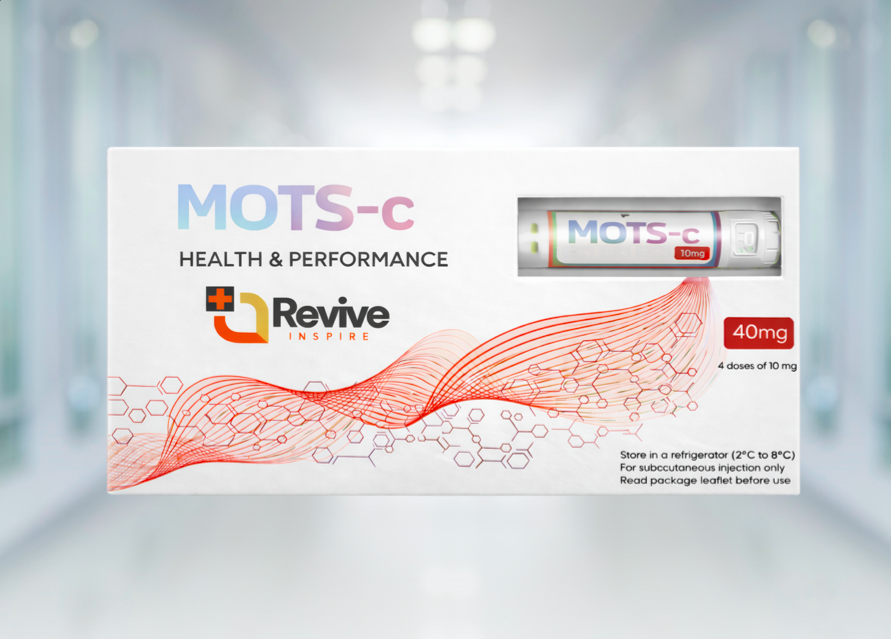
MOTS-c — Mitochondrial Performance Research Peptide
MOTS-c is a mitochondria-derived research peptide often described as an exercise mimetic, meaning it is studied for its ability to replicate many of the metabolic benefits of physical activity. It has gained attention for its reported effects on fat metabolism, energy regulation, and metabolic performance, particularly as natural levels decline with age.
What MOTS-c Does
MOTS-c is researched for its potential to:
• Support fat metabolism and energy balance
• Improve insulin sensitivity
• Enhance cellular and mitochondrial efficiency
• Promote metabolic resilience associated with youthful function
Because MOTS-c levels naturally decrease over time, research focuses on restoring these signalling pathways to support optimal metabolic performance.
How It Works (Simply Explained)
MOTS-c is produced by the mitochondria and acts as a system-wide metabolic signal. In research models, it helps the body:
• Improve how glucose is taken up and used for energy
• Increase fat oxidation
• Activate key energy-regulating pathways involved in metabolic efficiency
By targeting mitochondrial function directly, MOTS-c supports the body’s ability to produce and use energy more effectively.
Why It Stands Out
Unlike compounds that act on a single pathway, MOTS-c works at the mitochondrial level, supporting foundational energy systems that influence metabolism, performance, and overall metabolic balance.
For research and development purposes only.


Glow GHK-CU
Advanced Skin, Hair & Cellular Support Blend
Glow GHK-CU is a carefully formulated peptide blend designed to support skin quality, hair vitality, and overall cellular repair. Combining GHK-CU, BPC-157, and TB-500, this product is developed for individuals seeking advanced regenerative support as part of a wellness-focused routine.
What is Glow GHK-CU?
Glow GHK-CU is a multi-peptide blend that brings together three well-known research peptides:
• GHK-CU (Copper Peptide)
• BPC-157
• TB-500
Together, they are commonly studied for their roles in cellular repair, tissue support, and skin and hair health.
Key Benefits:
• Supports skin elasticity, firmness, and overall appearance
• Promotes hair strength and follicle support
• Encourages cellular repair and regeneration
• Aids tissue recovery and healing processes
• Supports collagen and extracellular matrix function
• Helps maintain healthy inflammatory balance
• Complements recovery from physical stress or environmental damage
• Designed to support overall vitality and longevity-focused routines
Key Ingredients:
GHK-CU (Copper Peptide)
• Commonly studied for its role in skin rejuvenation and collagen support
• Associated with hair follicle health
• Plays a role in cell signalling and tissue repair
BPC-157
• Known for supporting soft tissue and gut integrity
• Studied for its role in cellular repair and recovery
• Often used in research related to inflammation modulation
TB-500
• A synthetic peptide related to thymosin beta-4
• Studied for tissue regeneration and mobility support
• Associated with cell migration and repair processes
For research and development purposes only.